
Canine Detection
K9 teams that find it before it spreads
Available for multi-family and commercial properties across Illinois, Wisconsin & Indiana. Our K9 teams screen units quickly and confirm activity before Bed Bug Treatment begins.
Why screening matters
The units you don't hear about are the problem
A complaint-driven program finds the units where somebody picked up the phone. Research in multifamily housing has repeatedly found a substantial share of infestations sitting in units where nobody reported anything, sometimes because activity is still low, sometimes because residents simply don't report it. Screening changes what you're working from: instead of a complaint list, you get a picture of the building.
Why canine detection
A trained nose finds what a quick walkthrough can miss
Bed bugs hide in seams, outlets, and baseboards. Our K9 teams are trained to detect them by scent, giving you a clear read on a unit or property before treatment ever starts.
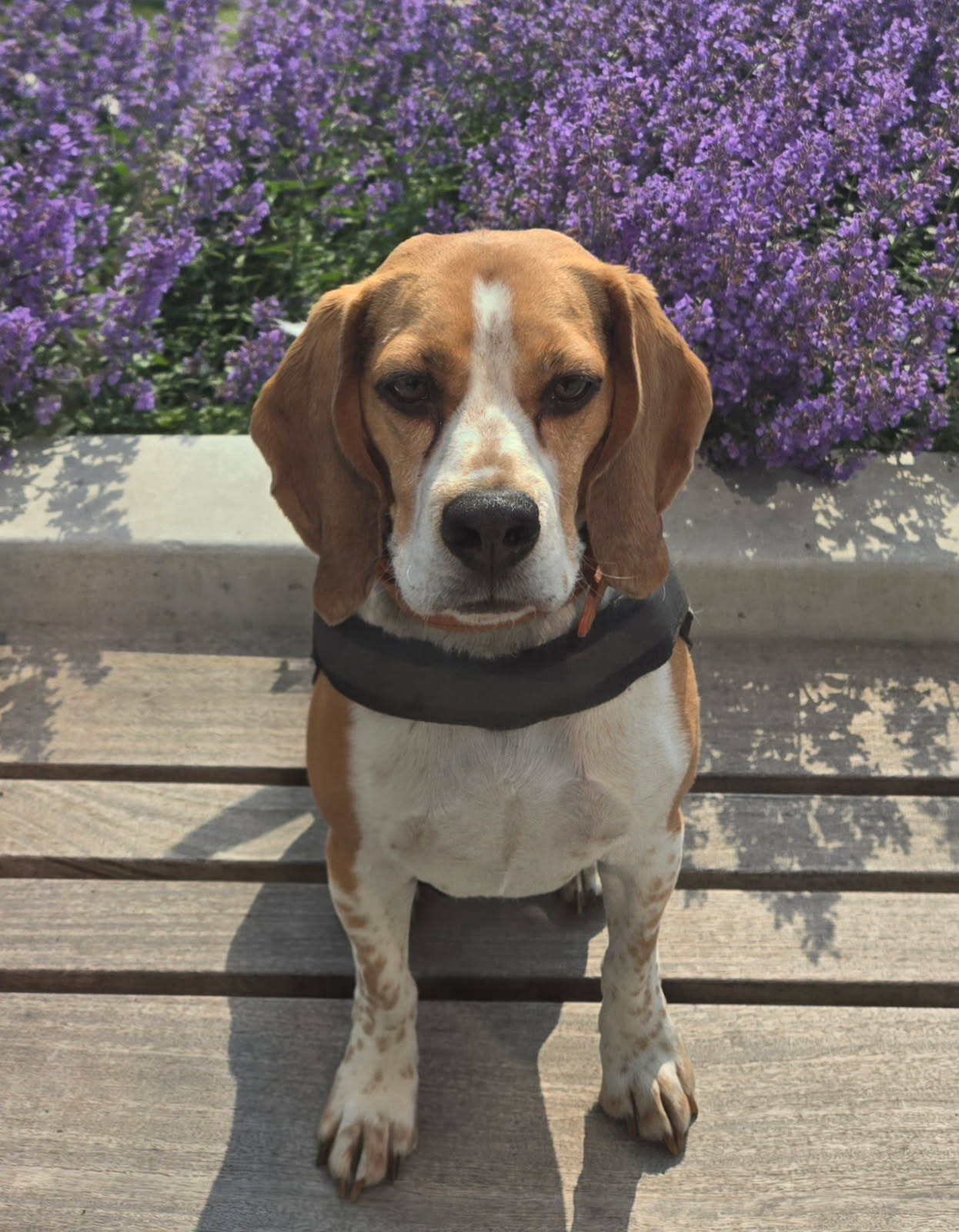
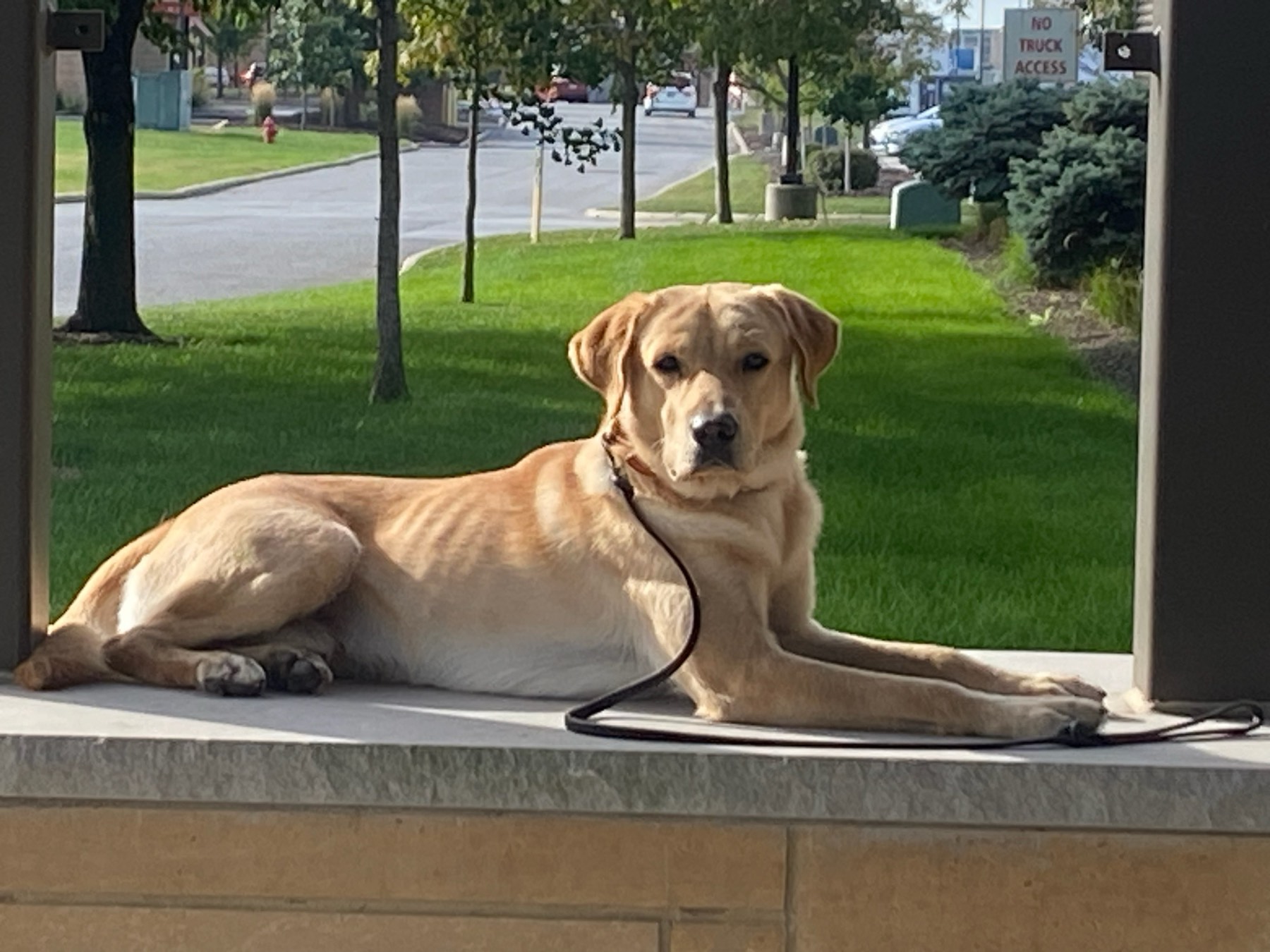
Fast
A trained K9 team can screen many units across a large property in a fraction of the time a manual inspection takes.
Accurate
A dog's sense of smell can pick up on bed bug activity that's easy to miss by eye alone, even in early or low-level cases.
Non-Invasive
Screening doesn't require moving furniture or tearing apart a unit just to check for activity.
Early Detection
Catching a small, contained problem early helps keep it from spreading to neighboring units.
Part of the system
Where canine detection fits in the Shield of Defense System
Every visit follows the same Shield of Defense System: inspect, diagnose, treat, and monitor. Canine screening is often part of the inspect and diagnose steps, confirming exactly where bed bug activity is before treatment begins. We also bring the team back afterward to confirm the treatment worked.
Who it's for
Available across property types


Often paired with
Canine detection and bed bug treatment
Once our K9 team confirms where activity is, Bed Bug Treatment handles the actual treatment step, followed by a return visit to confirm it worked.
Questions we hear about K9 detection
Canine detection FAQs
Do you treat based on a dog's alert?
No, and this is the part worth reading closely. Industry best practice, per NPMA's Bed Bug Best Management Practices, is that a canine alert should be confirmed by a visual inspection, a monitoring device, or an additional team before treatment. An alert is a lead telling us where to look, not a diagnosis. If we can't confirm activity, we tell you that rather than treating a unit that may not need it.
How accurate are bed bug detection dogs?
Accurately answering this means resisting a single headline number. Detection dogs perform extremely well in controlled conditions, and considerably less consistently in occupied, naturally infested buildings, where published field research shows wide variation between teams and even day to day for the same team. Any company quoting you one impressive percentage is quoting a laboratory figure. That variability is exactly why we confirm every alert before recommending treatment.
Why use a dog instead of a visual inspection?
Speed and coverage, not superior accuracy. A canine team can screen a unit in a few minutes where a thorough visual inspection takes considerably longer and means flipping mattresses and moving furniture. That difference is what makes screening an entire building or portfolio practical instead of theoretical. For confirmation and ongoing monitoring, visual inspection and interceptor monitors still do real work, so we use them together.
When would we actually use this?
Five situations come up most: targeting where treatment should go before it starts, verifying a treatment held afterward, screening a whole property proactively, checking units at turnover, and triaging a complaint where a resident reports bites but nothing turns up visually.
Is a certified team guaranteed to be accurate?
No, and any company telling you otherwise is overselling. Certification is a voluntary industry credential, awarded to a dog and handler as a team rather than to the dog alone, and it has to be renewed annually. It establishes a standard on the day of the test. What actually drives field performance is ongoing maintenance training, working the dog in the kind of environment being inspected, and confirming alerts.
Ready to get started?
Request a free inspection
Tell us what's going on and we'll follow up with a free inspection and a plan built around your property.